Hands-On Professional Development for Teachers: Building Learning That Lasts
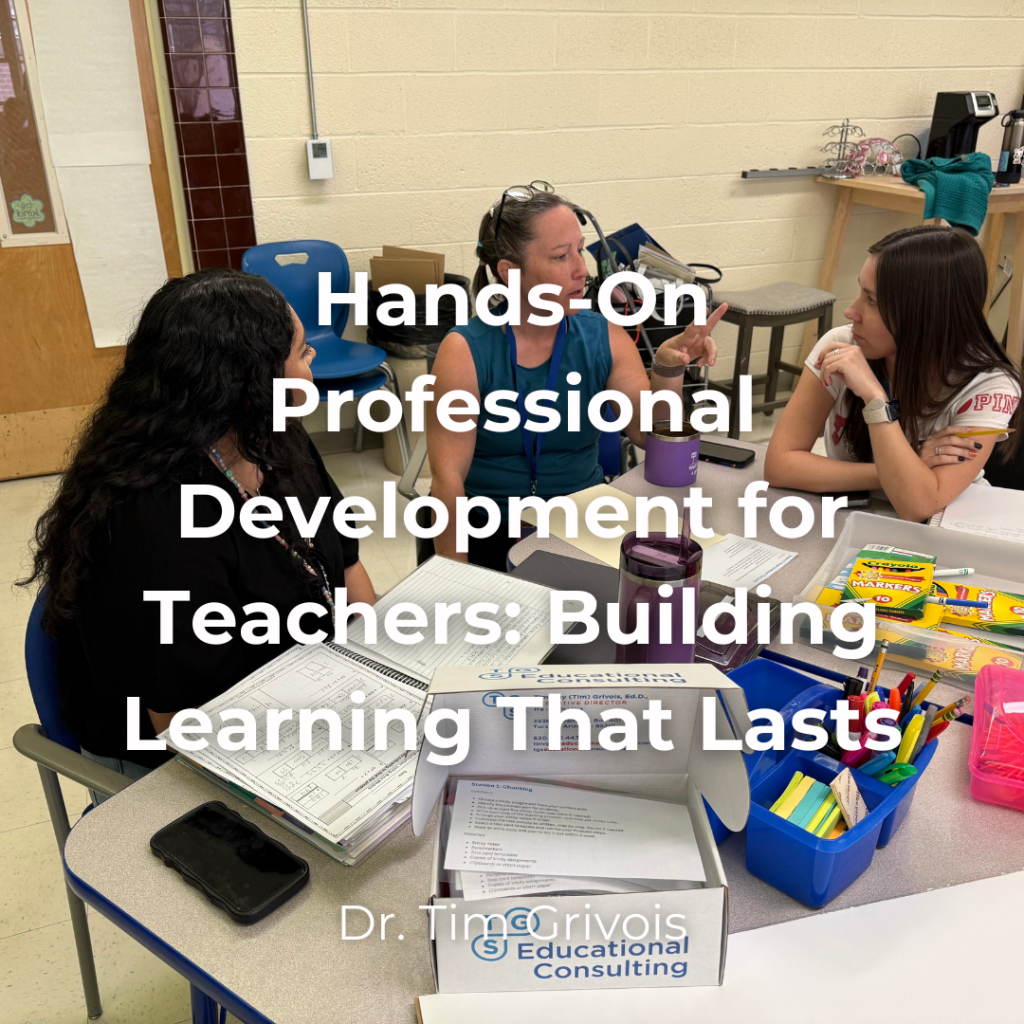
Cavett Elementary Shows How PD Can Be Hands-On and Purposeful At Cavett Elementary School, professional learning isn’t about sitting and […]
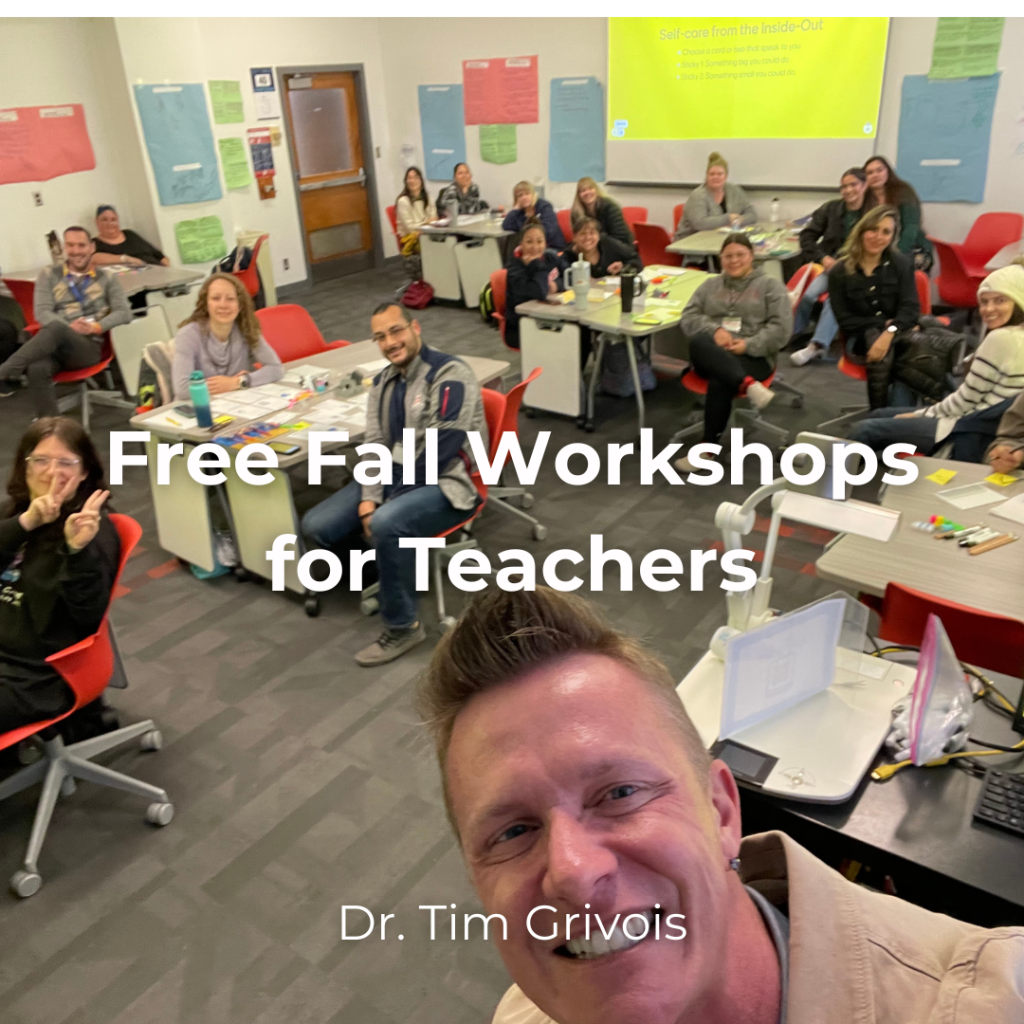
This fall, I’m hosting free, one-hour workshops for educators on Zoom. Together we’ll explore simple strategies for CICO, schoolwide interventions, and ADHD that make behavior support feel less like paperwork and more like a promise we can keep. All recordings and handouts are included.
Effective professional development implementation happens between sessions, not just during them. This post explores how facilitators can support real change through side-by-side coaching, follow-up, and reflection—turning PD from a one-time event into sustained, meaningful practice. Discover what it takes to make new learning truly stick.
Effective professional development for teachers doesn’t end when the session does. Real change happens in the in-between—when educators are trying, adjusting, and asking questions. In this post, I share why follow-up matters, what meaningful support looks like, and how PD leaders can better show up after the slides are done.
If you’re looking for meaningful professional development this summer, I invite you to join me for what might be the only in-person opportunities in June to explore how we can create more inclusive classrooms for students with ADHD. These are two of my most requested sessions, focusing on practical strategies, real connection, and thoughtful reflection.
Workshops have long been the default format for professional development (PD), whether from consultants, departments of education, or district-led. They seem efficient—1) put everyone together in a cafeteria full of folding metal chairs and stale bagels; and 2) present information, distribute handouts, and hope for the best. But here’s the problem with workshops: they often confuse presenting content with learning.
-by Dr. Tim Grivois, Executive Director Some people think that I’m lucky because I hear from school leaders and teachers all
In April of 2016, I was the principal of an elementary school that tragically lost an amazing kindergarten teacher. Maria would check in on me each Monday and ask about my family and how I was doing. She’d make sure to have a kind word and a smile as I began my week, and I’m certain that her kindness rippled into every classroom I visited.
The reason why I encourage the schools and organizations I work with to implement a buddy board strategy is to ensure that no one leaves their relationships with their students, participants or colleagues to chance. Buddy Boards adapt well to digital learning spaces, and can be a powerful way for you to communicate love and belonging in your learning space.
What I do at TGS Educational Consulting is to help leaders and leadership teams create an organization that teaches itself to get better at accomplishing the good they wants to do for their community. My portfolio of clients includes Higher Ground, A Resource Center, Pima County Community Prevention Coalition, Sonoran Science Academy, and Orange Grove Middle School, and while my work with each client is highly tailored to what they want to accomplish, we achieve our outcomes together through three key approaches: